Category Archives: Personal Injury Guide

Non-Economic Damages in Personal Injury Cases: Beyond Financial Compensation

When we think about personal injury cases, the first thing that often comes to mind is the pursuit of financial compensation. While it’s true that financial damages play a crucial role in helping victims recover from their losses, there’s another aspect that shouldn’t be overlooked: non-economic damages. These damages go beyond monetary losses and aim to address the emotional, physical, and psychological toll a personal injury can have on an individual’s life. In this article, we will explore the significance of non-economic damages in personal injury cases and shed light on their importance in achieving complete justice for victims.

Defining Non-Economic Damages

Non-economic damages, also known as general damages, refer to the intangible losses a victim experiences due to a personal injury. Unlike economic damages that can be quantified, non-economic damages are subjective and not easily assigned a specific monetary value. They encompass a wide range of emotional, physical, and psychological impacts, including pain and suffering, emotional distress, loss of enjoyment of life, and loss of consortium.

Understanding the Significance

While financial compensation can help cover medical expenses, lost wages, and property damage, it fails to capture the full extent of the harm caused by a personal injury. Non-economic damages play a crucial role in recognizing and addressing the intangible losses that impact a victim’s overall well-being. These damages aim to restore the quality of life that was affected as a result of the injury and provide a sense of justice and closure to the victim.

Types of Non-Economic Damages

  1. Pain and Suffering: This refers to the physical pain and emotional distress experienced by the victim as a direct result of the injury. It includes the immediate pain endured during the accident as well as any ongoing discomfort and suffering.
  2. Emotional Distress: Personal injuries can lead to significant emotional trauma, such as anxiety, depression, post-traumatic stress disorder (PTSD), and sleep disturbances. Non-economic damages account for these psychological and emotional consequences.
  3. Loss of Enjoyment of Life: When an injury restricts a victim’s ability to engage in activities they once enjoyed, such as hobbies, sports, or social interactions, it causes a significant loss in the overall quality of life. Non-economic damages acknowledge this loss and aim to compensate for the diminished enjoyment experienced by the victim.
  4. Loss of Consortium: In cases where a personal injury affects a victim’s relationship with their spouse or family members, non-economic damages can be awarded to compensate for the loss of companionship, affection, and support.

Proving Non-Economic Damages

Proving non-economic damages can be challenging since they are not easily quantifiable. Unlike medical bills or lost wages, which can be supported by documentation, non-economic damages require a more subjective evaluation. They often rely on expert testimony, medical records, psychological evaluations, and the victim’s personal testimony to establish the extent of the intangible losses suffered.

The Role of Juries and Judges

In personal injury cases, it is the responsibility of juries and judges to determine the amount of non-economic damages to be awarded. They consider various factors, such as the severity of the injury, the impact on the victim’s life, the duration of the suffering, and the degree of negligence on the part of the defendant. While there are no set guidelines for calculating non-economic damages, these legal professionals strive to ensure a fair and just outcome for the victim.

Statutory Limits and Exceptions

Some jurisdictions impose statutory limits on non-economic damages, capping the amount that can be awarded. These limits aim to control excessive compensation claims and maintain a balanced legal system. However, certain exceptions may exist, such as cases involving catastrophic injuries, permanent disabilities, or instances of gross negligence, which allow for higher non-economic damages to be awarded.

source: youtube.com/@KerriganLaw

In personal injury cases, non-economic damages hold significant importance in recognizing the full impact of an injury on a victim’s life. They go beyond financial compensation and acknowledge the pain, suffering, emotional distress, and loss of enjoyment experienced by the injured party. By considering both economic and non-economic damages, the legal system strives to provide a more comprehensive form of justice and facilitate the victim’s journey towards recovery and rebuilding their life.


Legal Options for Seeking Compensation in Personal Injury Cases: Lawsuits vs. Settlements

When it comes to seeking compensation in personal injury cases, individuals often face a critical decision: whether to pursue a lawsuit or opt for a settlement. This choice can significantly impact the outcome of their case, the amount of compensation received, and the time and resources involved. Understanding the differences, advantages, and considerations of each option is crucial for making an informed decision. In this article, we will explore the legal options for seeking compensation in personal injury cases and compare the benefits and drawbacks of lawsuits and settlements.

Lawsuits: Taking the Case to Court

Filing a lawsuit is the traditional route for seeking compensation in personal injury cases. It involves initiating legal proceedings against the at-fault party by presenting the case in a court of law. Here are some key aspects to consider:

a. Building a Strong Case: To succeed in a lawsuit, it’s essential to gather compelling evidence, interview witnesses, consult experts, and construct a strong legal argument. This process may require significant time and resources.

b. Trial Process: Lawsuits typically proceed to trial, where both parties present their evidence and arguments before a judge or jury. The outcome is determined by the court, and the final decision can result in a favorable verdict or an unfavorable one, including no compensation.

c. Potential for Higher Compensation: In some cases, going to trial may result in higher compensation awards. Juries can be sympathetic to victims and may award punitive damages, especially in cases involving gross negligence or intentional harm.

d. Lengthy Legal Proceedings: Lawsuits can be time-consuming, often taking months or even years to reach a resolution. It’s crucial to consider the potential impact on your personal life, finances, and emotional well-being during this extended legal process.

Settlements: Negotiating a Resolution

Settlements offer an alternative to lawsuits, providing an opportunity for the parties involved to negotiate a resolution outside the courtroom. Here are important factors to consider:

a. Privacy and Confidentiality: Settlements allow parties to keep the details of the case private, shielding them from public scrutiny. This can be advantageous for individuals seeking to avoid additional stress and maintain their privacy.

b. Faster Resolution: Unlike lawsuits, settlements can provide a relatively quick resolution to a personal injury case. By negotiating with the at-fault party or their insurance company, individuals may reach an agreement and receive compensation promptly.

c. Certainty of Outcome: With settlements, the outcome is predictable and controlled by the parties involved. Individuals have more influence over the terms of the settlement, including the compensation amount and any additional conditions or agreements.

d. Potentially Lower Compensation: While settlements offer quicker resolutions, they may result in lower compensation amounts compared to what could be awarded in a successful lawsuit. It’s crucial to evaluate the fairness of the settlement offer and consult with an experienced personal injury attorney before accepting any agreement.

e. Mitigating Risk and Costs: Opting for a settlement reduces the uncertainty and risks associated with going to trial. It can also mitigate legal costs, as settling avoids the need for extensive court proceedings and associated expenses.

source: youtube.com/@McMinnLawFirmAustin

When seeking compensation in personal injury cases, the decision between lawsuits and settlements is significant. Lawsuits provide the opportunity for potentially higher compensation but can be time-consuming and involve a greater degree of uncertainty. On the other hand, settlements offer privacy, a faster resolution, and greater control over the outcome but may result in lower compensation amounts. Each option has its pros and cons, and the right choice depends on the unique circumstances of the case and the individual’s priorities.

Consulting with an experienced personal injury attorney is vital in navigating these legal options. They can provide valuable guidance, assess the strength of your case, negotiate on your behalf, and help you make an informed decision that aligns with your best interests. Ultimately, choosing the right legal path is crucial to seeking fair compensation and moving forward on the path to recovery.

Extending the Clock: Exceptions and Tolling of the Statute of Limitations in Personal Injury

When it comes to personal injury cases, understanding the statute of limitations is crucial. The statute of limitations sets a specific time frame within which a lawsuit must be filed after an injury occurs. However, there are instances where exceptions and tolling can extend the clock, allowing individuals to pursue their legal claims even after the standard time limit has passed. In this article, we will explore the exceptions and tolling of the statute of limitations in personal injury cases, shedding light on the circumstances that may allow you to seek justice beyond the usual timeframe.

Exceptions to the Statute of Limitations

  1. Discovery Rule: One common exception to the statute of limitations is the discovery rule. It applies when the injured party is unaware of their injury or its connection to someone else’s negligence. In such cases, the clock starts ticking from the date the injury is discovered or when it should have reasonably been discovered. This exception is often relevant in cases involving latent or hidden injuries, such as medical malpractice or exposure to toxic substances.
  2. Minors and Incapacitated Individuals: Another exception applies to minors and individuals who are mentally incapacitated. In these situations, the statute of limitations may be tolled until the injured person reaches the age of majority or recovers from their incapacity. This exception recognizes that minors and incapacitated individuals may not have the legal capacity to assert their rights within the standard time frame.
  3. Fraud or Concealment: If the defendant in a personal injury case has engaged in fraudulent or intentional concealment of their wrongdoing, the statute of limitations may be tolled. The clock starts running from the time the fraud or concealment is discovered or reasonably should have been discovered. This exception aims to prevent defendants from avoiding liability by intentionally hiding their actions or misleading the injured party.

Tolling the Statute of Limitations

Apart from the exceptions mentioned above, there are situations where the statute of limitations can be tolled, effectively pausing the countdown. Tolling allows for a temporary suspension of the time limit due to certain circumstances, giving the injured party additional time to file a lawsuit.

  1. Legal Disability: When the injured person is under a legal disability, such as being in a coma or incarcerated, the statute of limitations is often tolled until they regain legal capacity. Tolling recognizes that it would be unfair to hold individuals accountable for actions they were physically or legally unable to pursue.
  2. Out-of-State Defendants or Unavailability: In some cases, the statute of limitations may be tolled if the defendant is out of state or otherwise unavailable for a significant period. This situation prevents defendants from deliberately evading service or prolonging the process, ensuring that the injured party has a fair chance to bring their claim.
source: youtube.com/@attorneysteve

While the statute of limitations sets a deadline for filing personal injury claims, it’s important to be aware of the exceptions and tolling provisions that can extend the timeframe. The discovery rule, exceptions for minors and incapacitated individuals, and instances of fraud or concealment all play a role in allowing injured parties to seek justice beyond the standard time limit. Additionally, tolling the statute of limitations provides temporary relief when certain circumstances prevent the injured party from pursuing their claim.

If you believe you have a personal injury case but are concerned about the statute of limitations, consult with an experienced personal injury attorney. They will assess your situation, consider any applicable exceptions or tolling provisions, and guide you through the legal process. Remember, time is of the essence, so take action promptly to protect your rights and seek the compensation you deserve.

Acting Swiftly: Why Filing Within the Statute of Limitations is Crucial for Personal Injury Cases

When it comes to personal injury cases, time is of the essence. One crucial aspect that individuals must be aware of is the statute of limitations—a legal timeframe within which a lawsuit must be filed. Failing to adhere to the statute of limitations can have severe consequences and potentially bar a victim from seeking rightful compensation. In this article, we will explore why acting swiftly and filing within the statute of limitations is crucial for personal injury cases.

Understanding the Statute of Limitations

The statute of limitations refers to a specific period during which an injured party can bring a legal claim against the party responsible for their injuries. Each jurisdiction has its own set of limitations, which vary depending on the nature of the case and the applicable laws. Generally, the clock starts ticking from the date of the incident or the date the injury was discovered or should have been reasonably discovered.

Preserving Evidence and Witness Testimonies

Time plays a significant role in preserving evidence and witness testimonies. Acting swiftly ensures that crucial evidence, such as accident reports, medical records, photographs, and videos, is gathered and preserved before it deteriorates or becomes unavailable. Witness memories can also fade over time, making it essential to gather their testimonies promptly while their recollection of events is still fresh and accurate.

Meeting Legal Deadlines

Filing a personal injury lawsuit within the statute of limitations is not just a matter of preference but a legal requirement. If you fail to file within the specified timeframe, you risk having your case dismissed by the court, regardless of the merits of your claim. This dismissal can be devastating, as it extinguishes your right to pursue compensation and leaves you without recourse.

Avoiding Barriers to Justice

The statute of limitations serves an important purpose in the legal system by promoting fairness and efficiency. It encourages plaintiffs to assert their claims within a reasonable time, while also protecting defendants from being held liable for stale claims. By adhering to the statute of limitations, you ensure that justice is served promptly, benefiting both parties involved.

Protecting Your Right to Compensation

One of the primary reasons for filing a personal injury claim is to seek compensation for the damages and losses suffered as a result of someone else’s negligence or wrongdoing. Filing within the statute of limitations is crucial to protect your right to compensation. The longer you delay filing your claim, the more you risk losing crucial evidence and witnesses that could strengthen your case. Acting swiftly increases your chances of securing the compensation you deserve.

Preserving Witnesses and Defendants

Acting within the statute of limitations not only benefits the injured party but also ensures that witnesses and defendants are held accountable. Witnesses may relocate, become unavailable, or even pass away over time. Similarly, defendants may change their contact information, move to a different jurisdiction, or dissolve their businesses. By filing within the prescribed timeframe, you increase the likelihood of holding all parties accountable and obtaining a favorable outcome.

Avoiding Unnecessary Stress and Delays

Procrastinating or waiting until the last minute to file a personal injury claim can lead to unnecessary stress and delays. As the statute of limitations approaches, you may find yourself rushing to gather evidence, secure legal representation, and navigate the complex legal process. By acting swiftly, you can alleviate this stress, ensure thorough preparation, and give yourself the best chance of success.

source: youtube.com/@SeanHenricksenLawFirm

Time is a critical factor in personal injury cases, and understanding the importance of filing within the statute of limitations is crucial for those seeking justice and compensation. Whether the injury occurred at a residence, a public property, or a local business, acting quickly can make a significant difference in the outcome of your claim. By taking prompt action, victims can preserve evidence, secure witness testimonies, meet legal deadlines, avoid barriers to justice, protect their right to compensation, preserve access to witnesses and defendants, and avoid unnecessary stress and delays. Remember, the clock starts ticking from the moment the incident occurs, so consult with a qualified personal injury attorney as soon as possible to protect your rights and pursue the compensation you deserve.

Trusting Your Safety: The Role of Product Liability in Holding Companies Responsible

In today’s consumer-driven world, we rely on countless products to enhance our lives, from household appliances to electronics and automobiles. We trust that the products we purchase and use are safe and free from defects. However, when a product fails to meet these expectations and causes harm, it is essential to understand the role of product liability in holding companies responsible. Product liability laws play a crucial role in safeguarding consumers’ rights, ensuring accountability, and promoting safety in the marketplace.

Defining Product Liability

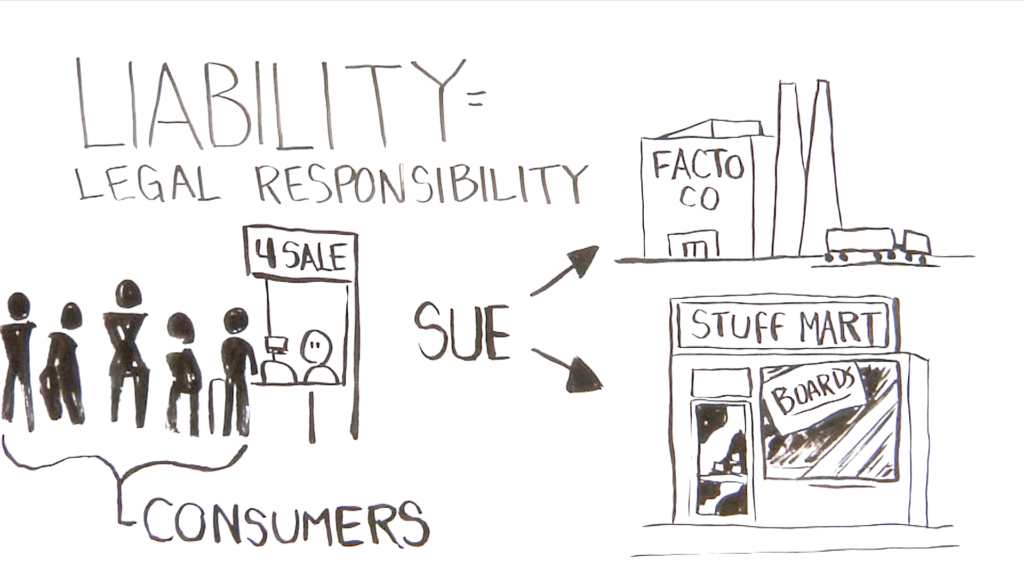
Product liability refers to the legal responsibility of manufacturers, distributors, suppliers, and retailers for injuries or damages caused by defective products. When a product is defective, it poses a risk to consumers, and those responsible for bringing it to market can be held liable for any resulting harm. Product liability laws are designed to protect consumers from dangerous products and hold companies accountable for their actions or negligence.

Types of Product Defects

Product defects can take various forms, and each presents unique risks to consumer safety. The three main types of product defects are:

  1. Manufacturing Defects: These occur during the production process, resulting in a product that deviates from its intended design or specifications. Manufacturing defects may include errors in assembly, faulty components, or inadequate quality control.
  2. Design Defects: These occur when the product’s design is inherently flawed or dangerous, making it unsafe for consumer use. Design defects affect an entire line of products, as the flaw exists in the product’s blueprint or design specifications.
  3. Marketing Defects: These involve failures in providing adequate warnings, instructions, or labeling for the product. Insufficient instructions or warnings about potential hazards can lead to consumer injuries.

Holding Companies Responsible

Product liability laws hold companies responsible for the harm caused by defective products through various legal theories, such as:

  1. Strict Liability: Under strict liability, manufacturers are held accountable for injuries caused by their defective products, regardless of negligence. It places the burden on the manufacturer to ensure the safety of their products and holds them liable for any harm caused.
  2. Negligence: Negligence claims focus on proving that the manufacturer or other parties involved failed to exercise reasonable care in the design, production, or distribution of the product. This requires demonstrating that their actions or omissions fell short of industry standards, resulting in a defective product and subsequent harm.
  3. Breach of Warranty: When a product does not meet the implied or express warranties provided by the manufacturer, a breach of warranty claim can be pursued. Implied warranties assure consumers that the product is fit for its intended purpose, while express warranties provide specific guarantees made by the manufacturer.

Promoting Consumer Safety

The role of product liability extends beyond individual compensation. It acts as a powerful incentive for companies to prioritize consumer safety by ensuring their products are free from defects. Holding companies accountable for their actions or negligence sends a clear message that consumer safety cannot be compromised for profit. This encourages companies to invest in rigorous quality control measures, comprehensive testing, and thorough product inspections to minimize the risk of harm to consumers.

source: youtube.com/@LawShelf

Trusting your safety should not be a luxury but a fundamental right. Product liability laws play a vital role in ensuring that companies are held responsible for the harm caused by defective products. By understanding the role of product liability in holding companies accountable, consumers can seek compensation for injuries and damages, promote safety in the marketplace, and encourage manufacturers to prioritize consumer well-being. Through these mechanisms, we can strive for a society where consumers can trust the products they purchase, knowing that their safety is of paramount importance.

Understanding Product Liability: Protecting Consumers’ Rights

Product liability is a critical aspect of consumer protection that ensures individuals have recourse when they are harmed by defective or dangerous products. As consumers, we rely on the safety and quality of the products we purchase. However, when a product fails to meet reasonable expectations or causes harm, understanding product liability becomes crucial. This article aims to provide an in-depth understanding of product liability, its importance in protecting consumers’ rights, and the legal avenues available for seeking compensation.

Defining Product Liability

Product liability refers to the legal responsibility of manufacturers, distributors, retailers, and other parties involved in the production and distribution of products. It holds them accountable for any injuries or damages caused by defects in their products. These defects can arise from design flaws, manufacturing errors, inadequate warnings or instructions, or a failure to meet industry standards.

Protecting Consumers’ Rights

Product liability laws play a vital role in safeguarding consumers’ rights. They provide a means for injured consumers to seek compensation for medical expenses, lost wages, pain and suffering, and other damages resulting from defective products. Moreover, product liability laws incentivize manufacturers and businesses to prioritize safety and quality in their products. By holding them accountable for their negligence or failures, product liability promotes the production of safer consumer goods and encourages responsible business practices.

Types of Product Defects

Product defects can fall into three categories: design defects, manufacturing defects, and marketing defects. Design defects refer to inherent flaws in a product’s design that make it unreasonably dangerous. Manufacturing defects occur during the production process and result in products that deviate from the intended design, rendering them unsafe. Marketing defects, also known as inadequate warnings or instructions, involve a failure to provide sufficient information or warnings regarding the product’s proper use, potential risks, or side effects.

Legal Theories in Product Liability

Product liability cases are typically based on three legal theories: negligence, strict liability, and breach of warranty. Negligence requires demonstrating that the manufacturer or other parties involved failed to exercise reasonable care in the design, production, or marketing of the product. Strict liability holds manufacturers responsible for injuries caused by defective products regardless of fault, emphasizing the dangerous nature of the product itself. Breach of warranty claims arise when a product fails to meet the express or implied warranties made by the manufacturer or seller.

Seeking Compensation through Product Liability Claims

If you have been injured or suffered damages due to a defective product, it is crucial to consult with an experienced product liability lawyer. They will evaluate your case, gather evidence, and navigate the complex legal process on your behalf. Depending on the circumstances, compensation may be sought through negotiation, settlement, or litigation. A skilled attorney will work diligently to establish the liability of the responsible parties and advocate for your rights, aiming to secure fair compensation for your injuries and losses.

source: youtube.com/@techpolicylabuniversityofw5178

Understanding product liability is essential for protecting consumers’ rights and ensuring their safety in the marketplace. By holding manufacturers and businesses accountable for producing defective or dangerous products, product liability laws play a vital role in maintaining consumer trust and encouraging responsible business practices. If you have been harmed by a defective product, consulting with a knowledgeable product liability lawyer can help you navigate the legal complexities and seek the compensation you deserve. Remember, as a consumer, you have rights, and product liability laws are in place to protect and uphold those rights.

Understanding the Legal Process of a Medical Malpractice Case in Kansas

Medical malpractice is a serious issue that affects thousands of patients each year. In Kansas, medical malpractice cases are subject to specific legal regulations and procedures. Understanding the legal process of a medical malpractice case is crucial for victims to get the compensation they deserve. In this article, we will explore the legal process of a medical malpractice case in Kansas.

Identifying Medical Malpractice

Medical malpractice occurs when a healthcare provider, such as a doctor, nurse, or hospital, fails to provide the required standard of care, leading to injury or harm to the patient. Identifying medical malpractice is the first step in a legal case. Common examples of medical malpractice include surgical errors, misdiagnosis, medication errors, and birth injuries.

Filing a Lawsuit

The legal process of a medical malpractice case in Kansas starts with filing a lawsuit. The lawsuit must be filed within two years of the injury or harm, or within two years of discovering the injury or harm. This time limit is known as the statute of limitations.

The lawsuit must be filed in the county where the injury or harm occurred, and it must include a detailed account of the injury or harm, the medical provider responsible, and the damages sought.

Pre-trial Process

After filing the lawsuit, the pre-trial process begins. This includes the discovery phase, where both parties gather evidence and information about the case. Depositions are taken, and medical records and other documents are exchanged.

In Kansas, the pre-trial process also includes a medical review panel. The panel consists of three healthcare providers and a lawyer who review the case and make recommendations. The recommendations are not binding, but they can influence the outcome of the case.

Trial

If the case is not settled during the pre-trial process, it goes to trial. The trial is held in front of a judge and jury, and both parties present their arguments and evidence.

During the trial, the plaintiff must prove that the healthcare provider was negligent and that the negligence caused the injury or harm. The defendant must prove that they provided the required standard of care and that the injury or harm was not caused by their negligence.

Verdict and Appeal

After the trial, the jury makes a decision, and a verdict is reached. If the verdict is in favor of the plaintiff, the defendant may appeal. If the verdict is in favor of the defendant, the plaintiff may also appeal.

Settlement

In some cases, the parties may reach a settlement before or during the trial. This involves a negotiated agreement between the plaintiff and the defendant, where the defendant agrees to pay the plaintiff a certain amount of compensation in exchange for dropping the lawsuit.

Compensation

If the plaintiff wins the case, they may be awarded compensation for damages, such as medical bills, lost wages, and pain and suffering. The amount of compensation depends on the severity of the injury or harm and the impact it has on the victim’s life.

In Kansas, there is a cap on non-economic damages, which includes pain and suffering. The cap is currently set at $325,000, but it may increase over time.

source: youtube.com/@malpracticeinsights

Medical malpractice cases can be complex and challenging, but understanding the legal process is essential for victims to get the compensation they deserve. If you believe you have been the victim of medical malpractice in Kansas, it is important to seek legal advice from an experienced medical malpractice lawyer. With the right representation, you can navigate the legal process and get the compensation you need to move forward.

Compensation for Slip and Fall Accidents in Kansas: What You Need to Know

Slip and fall accidents can result in serious injuries that can have a significant impact on a victim’s quality of life. If you have been injured in a slip and fall accident in Kansas, you may be entitled to compensation. In this article, we will explore the different types of compensation available and what you need to know to pursue a successful claim.

Types of Compensation for Slip and Fall Accidents in Kansas

There are several types of compensation that may be available to slip and fall accident victims in Kansas. These can include:

  1. Medical Expenses: Slip and fall accidents can result in serious injuries that require extensive medical treatment. Compensation for medical expenses can include the cost of hospitalization, surgery, medication, physical therapy, and other necessary medical expenses.
  2. Lost Wages: If you are unable to work as a result of your slip and fall injuries, you may be entitled to compensation for lost wages. This can include both past and future lost wages.
  3. Pain and Suffering: Slip and fall accidents can be traumatic experiences that result in physical and emotional pain and suffering. Compensation for pain and suffering can help to ease the burden of these experiences and provide some measure of justice.
  4. Property Damage: In some cases, slip and fall accidents can result in property damage. Compensation for property damage can include the cost of repairs or replacement of damaged property.

Proving Negligence in a Slip and Fall Accident Case in Kansas

In order to pursue compensation for a slip and fall accident in Kansas, you will need to prove that the property owner or occupier was negligent. This means that they failed to take reasonable steps to maintain safe conditions on their property, leading to your injuries.

To prove negligence in a slip and fall accident case in Kansas, you will need to establish the following elements:

  1. Duty of Care: The property owner or occupier had a duty of care to maintain safe conditions on their property.
  2. Breach of Duty: The property owner or occupier breached this duty of care by failing to maintain safe conditions on their property.
  3. Causation: The property owner or occupier’s breach of duty caused your slip and fall injuries.
  4. Damages: You suffered actual damages as a result of your slip and fall injuries.

Working With a Slip and Fall Accident Lawyer in Kansas

If you have been injured in a slip and fall accident in Kansas, working with a personal injury lawyer can help to ensure that your rights are protected and that you receive the compensation you deserve.

A slip and fall accident lawyer can help to:

  1. Investigate the Accident: Your lawyer can conduct a thorough investigation of the accident to determine who was at fault and to gather evidence to support your claim.
  2. Calculate Your Damages: Your lawyer can help you to calculate the full extent of your damages, including medical expenses, lost wages, pain and suffering, and property damage.
  3. Negotiate with Insurance Companies: Your lawyer can negotiate with insurance companies on your behalf to help you receive the maximum possible compensation.
  4. Represent You in Court: If a settlement cannot be reached, your lawyer can represent you in court to ensure that your case is heard and that your rights are protected.
source: youtube.com/@bretzinjurylaw7954

If you have been injured in a slip and fall accident in Kansas, it is important to understand your rights and the compensation that may be available to you. By working with an experienced slip and fall accident lawyer, you can ensure that your rights are protected and that you receive the compensation you deserve.

Understanding the Legal Process After a Car Accident in Kansas: A Guide for Victims

Car accidents can be a traumatic and life-altering experience. Victims are often left dealing with physical injuries, emotional trauma, and financial burdens. If you have been in a car accident in Kansas, it is important to understand the legal process that follows and your rights as a victim.

Here is a guide to help you navigate through the legal process after a car accident in Kansas.

Report the Accident

The first thing you should do after a car accident is to report it to the police. This is required by law in Kansas if the accident resulted in injuries, death, or property damage exceeding $1,000. The police will investigate the accident and create a report, which can be helpful in determining who was at fault.

Exchange Information

After a car accident, it is important to exchange information with the other driver. This includes names, phone numbers, insurance information, and license plate numbers. If there were any witnesses to the accident, ask for their contact information as well.

Seek Medical Attention

Even if you do not feel injured, it is important to seek medical attention after a car accident. Some injuries, such as whiplash or concussion, may not show symptoms immediately. Seeking medical attention will ensure that any injuries are properly documented and treated.

Contact Your Insurance Company

You should also contact your insurance company as soon as possible after a car accident. Your insurance company can guide you through the claims process and provide coverage for damages or injuries. Be sure to provide them with all the information you gathered at the accident scene.

Consider Hiring a Car Accident Lawyer

If you have been injured in a car accident in Kansas, it is important to consider hiring a car accident lawyer. An experienced lawyer can help you navigate through the legal process and fight for your rights as a victim. Here are some frequently asked questions about hiring a car accident lawyer in Kansas.

Do I Need a Lawyer?

While it is not required by law to hire a lawyer after a car accident, it is highly recommended, especially if you have suffered injuries. A lawyer can help you navigate through the legal process, negotiate with insurance companies, and fight for the compensation you deserve.

How Much Does a Car Accident Lawyer Cost?

Most car accident lawyers work on a contingency fee basis, which means they do not charge upfront fees. Instead, they take a percentage of the settlement or verdict if they win the case. This percentage can vary from lawyer to lawyer, so be sure to discuss the fee structure with your potential lawyer.

What Should I Look for in a Car Accident Lawyer?

When looking for a car accident lawyer in Kansas, you should look for someone who has experience handling car accident cases, is familiar with the local court system, and has a track record of success. It is also important to find a lawyer who you feel comfortable working with and who is responsive to your needs.

How Long Will the Legal Process Take?

The length of the legal process after a car accident can vary depending on the complexity of the case and the severity of the injuries. It can take anywhere from a few months to a few years to reach a settlement or verdict.

What Damages Can I Recover?

If you have been injured in a car accident in Kansas, you may be able to recover damages for medical expenses, lost wages, pain and suffering, and property damage. Your lawyer can help you determine what damages you are entitled to and fight for the compensation you deserve.

source: youtube.com/@eFormsLLC

Navigating through the legal process after a car accident can be overwhelming, especially when dealing with injuries and financial burdens. Hiring a car accident lawyer can help you navigate through the legal process, negotiate with insurance companies, and fight for the compensation you deserve. By following these steps and seeking the guidance of an experienced lawyer, you can get the help you need to move forward after a car accident in Kansas.

Everything You Need to Know About Personal Injury Claims and Compensation

Suffering an injury due to someone else’s negligence or wrongdoing can be a traumatic experience. It can leave you with not only physical pain and emotional distress but also financial burdens. Fortunately, the legal system provides a way for you to seek compensation for your losses through personal injury claims. In this article, we’ll cover everything you need to know about personal injury claims and compensation.

What Is a Personal Injury Claim?

A personal injury claim is a legal action that seeks compensation for the damages suffered by a person due to someone else’s negligence or misconduct. The purpose of a personal injury claim is to hold the responsible party accountable for their actions and provide financial compensation to the victim to cover their losses.

Types of Personal Injury Claims

Personal injury claims can arise from a wide range of incidents. Some common types of personal injury claims include:

  1. Car accidents
  2. Slip and fall accidents
  3. Medical malpractice
  4. Product liability
  5. Workplace accidents
  6. Dog bites

Compensation in Personal Injury Claims

If you file a personal injury claim and win your case, you may be entitled to various types of compensation, which can include:

  1. Medical expenses – Compensation for any medical bills or expenses incurred as a result of the injury, including hospital stays, doctor visits, prescription medication, and rehabilitation services.
  2. Lost income – Compensation for any wages or income lost as a result of the injury, including time off work for medical treatment or recovery.
  3. Pain and suffering – Compensation for the physical and emotional pain and suffering caused by the injury.
  4. Property damage – Compensation for any property damage that occurred as a result of the incident, such as damage to a vehicle in a car accident.
  5. Punitive damages – In some cases, the court may award punitive damages to punish the responsible party for their misconduct.

How to File a Personal Injury Claim


If you’ve been injured and believe you have a valid personal injury claim, you’ll need to take the following steps:

  1. Seek medical attention – Your health and well-being should be your top priority. Seek medical attention as soon as possible after the incident.
  2. Gather evidence – Collect any evidence related to the incident, such as photos, witness statements, and police reports.
  3. Consult with a personal injury lawyer – A personal injury lawyer can help you assess your case and determine if you have a valid claim. They can also guide you through the legal process and help you negotiate a fair settlement.
  4. File a claim – Your lawyer can help you file a claim with the responsible party’s insurance company or file a lawsuit if necessary.
  5. Negotiate a settlement – Your lawyer can help you negotiate a fair settlement with the insurance company or take your case to trial if necessary.

The Importance of Hiring a Personal Injury Lawyer


While you can technically file a personal injury claim on your own, it’s highly recommended that you hire a personal injury lawyer to represent you. Personal injury lawyers have the knowledge, experience, and resources to help you navigate the legal system and maximize your compensation. They can also help you avoid common pitfalls and mistakes that could jeopardize your case.


If you’ve been injured due to someone else’s negligence or misconduct, you have the right to seek compensation for your losses through a personal injury claim. By understanding the types of personal injury claims, the types of compensation available, and the process for filing a claim, you can better protect your rights and ensure that you receive fair compensation for your losses. Don’t hesitate to consult with a personal injury lawyer to help you through the process.