Product liability is a critical aspect of consumer protection that ensures individuals have recourse when they are harmed by defective or dangerous products. As consumers, we rely on the safety and quality of the products we purchase. However, when a product fails to meet reasonable expectations or causes harm, understanding product liability becomes crucial. This article aims to provide an in-depth understanding of product liability, its importance in protecting consumers’ rights, and the legal avenues available for seeking compensation.
Defining Product Liability
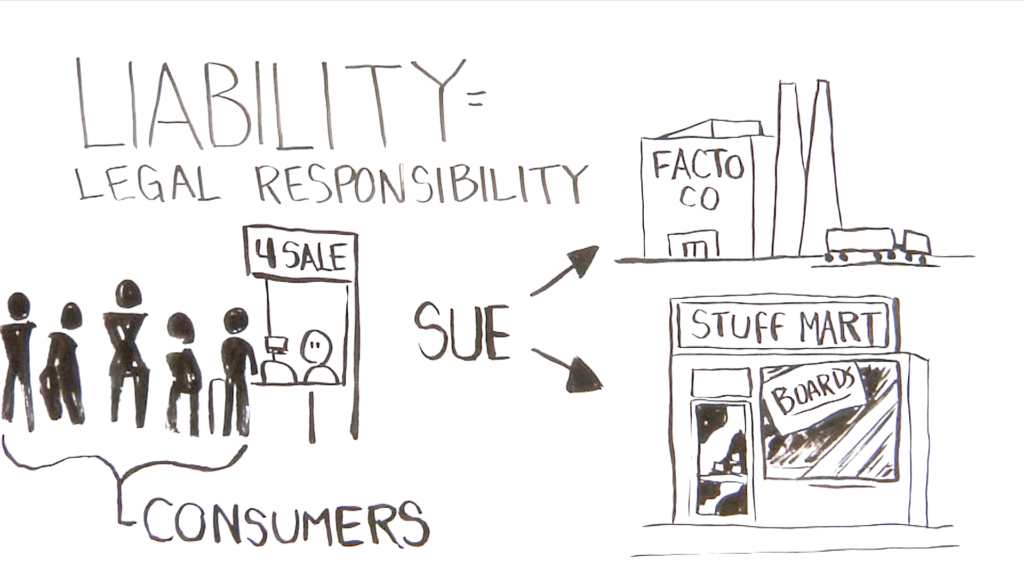
Product liability refers to the legal responsibility of manufacturers, distributors, retailers, and other parties involved in the production and distribution of products. It holds them accountable for any injuries or damages caused by defects in their products. These defects can arise from design flaws, manufacturing errors, inadequate warnings or instructions, or a failure to meet industry standards.
Protecting Consumers’ Rights
Product liability laws play a vital role in safeguarding consumers’ rights. They provide a means for injured consumers to seek compensation for medical expenses, lost wages, pain and suffering, and other damages resulting from defective products. Moreover, product liability laws incentivize manufacturers and businesses to prioritize safety and quality in their products. By holding them accountable for their negligence or failures, product liability promotes the production of safer consumer goods and encourages responsible business practices.
Types of Product Defects
Product defects can fall into three categories: design defects, manufacturing defects, and marketing defects. Design defects refer to inherent flaws in a product’s design that make it unreasonably dangerous. Manufacturing defects occur during the production process and result in products that deviate from the intended design, rendering them unsafe. Marketing defects, also known as inadequate warnings or instructions, involve a failure to provide sufficient information or warnings regarding the product’s proper use, potential risks, or side effects.
Legal Theories in Product Liability
Product liability cases are typically based on three legal theories: negligence, strict liability, and breach of warranty. Negligence requires demonstrating that the manufacturer or other parties involved failed to exercise reasonable care in the design, production, or marketing of the product. Strict liability holds manufacturers responsible for injuries caused by defective products regardless of fault, emphasizing the dangerous nature of the product itself. Breach of warranty claims arise when a product fails to meet the express or implied warranties made by the manufacturer or seller.
Seeking Compensation through Product Liability Claims
If you have been injured or suffered damages due to a defective product, it is crucial to consult with an experienced product liability lawyer. They will evaluate your case, gather evidence, and navigate the complex legal process on your behalf. Depending on the circumstances, compensation may be sought through negotiation, settlement, or litigation. A skilled attorney will work diligently to establish the liability of the responsible parties and advocate for your rights, aiming to secure fair compensation for your injuries and losses.
Understanding product liability is essential for protecting consumers’ rights and ensuring their safety in the marketplace. By holding manufacturers and businesses accountable for producing defective or dangerous products, product liability laws play a vital role in maintaining consumer trust and encouraging responsible business practices. If you have been harmed by a defective product, consulting with a knowledgeable product liability lawyer can help you navigate the legal complexities and seek the compensation you deserve. Remember, as a consumer, you have rights, and product liability laws are in place to protect and uphold those rights.